
NEW OVEN BUILD
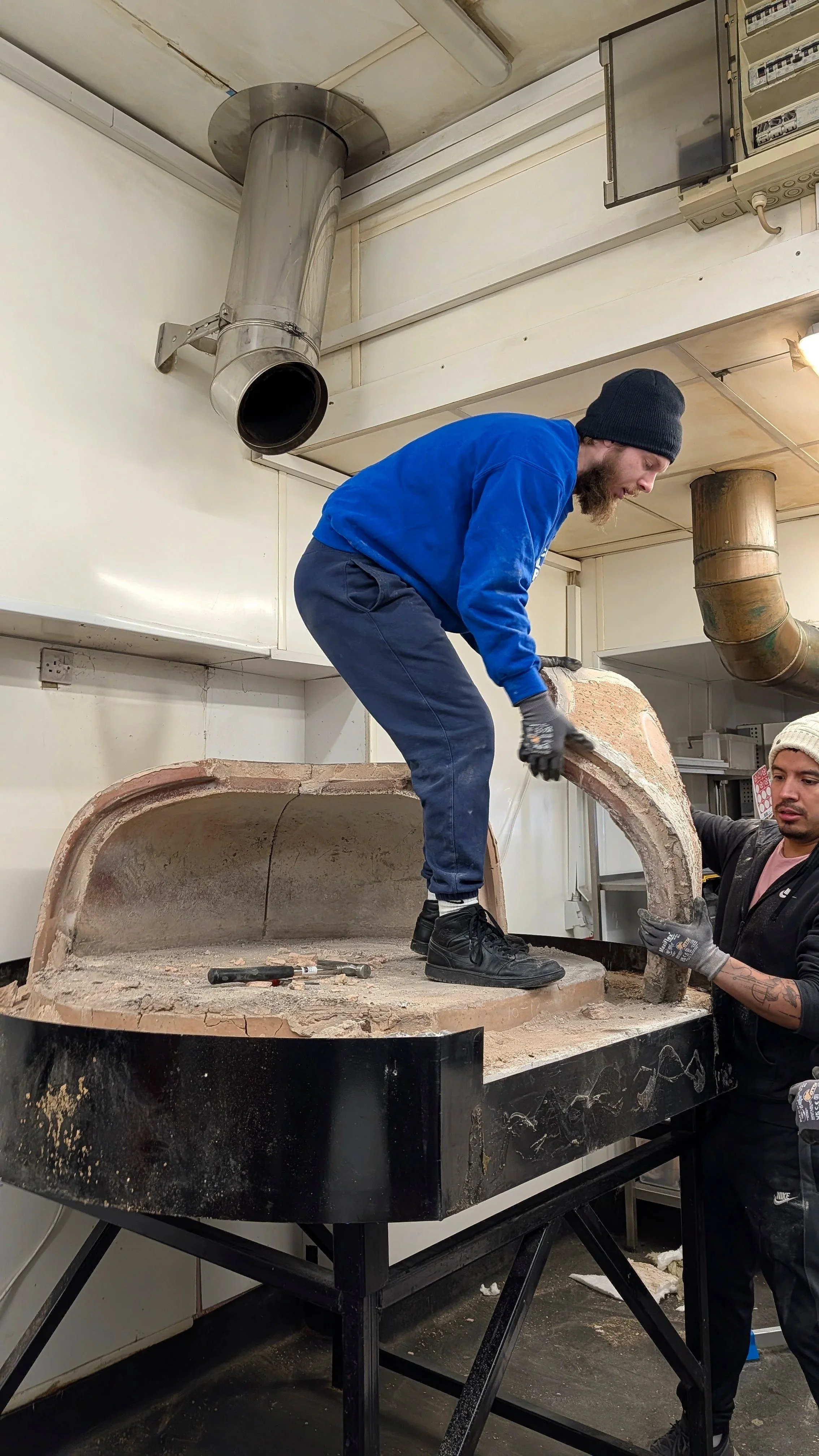
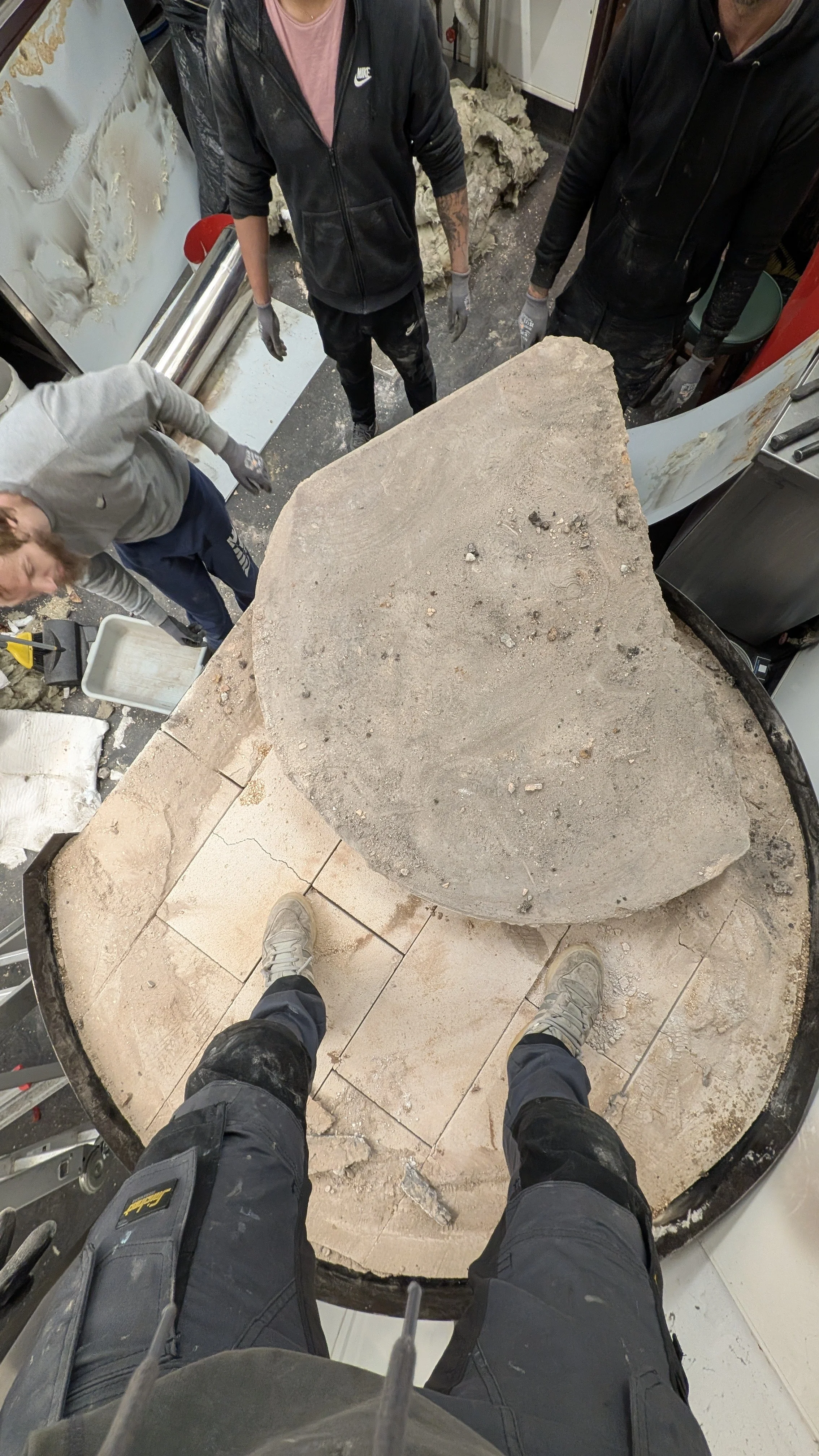
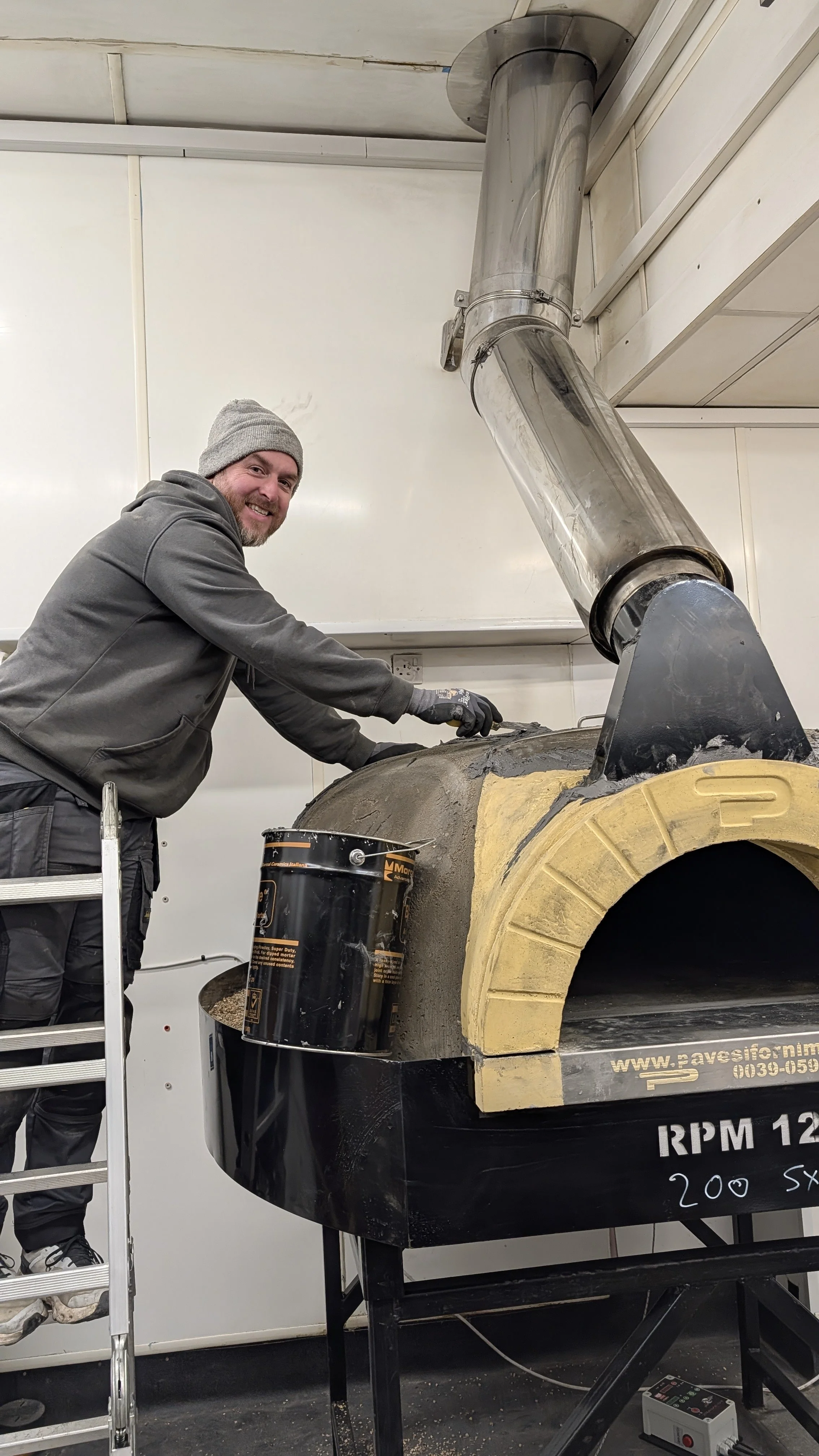
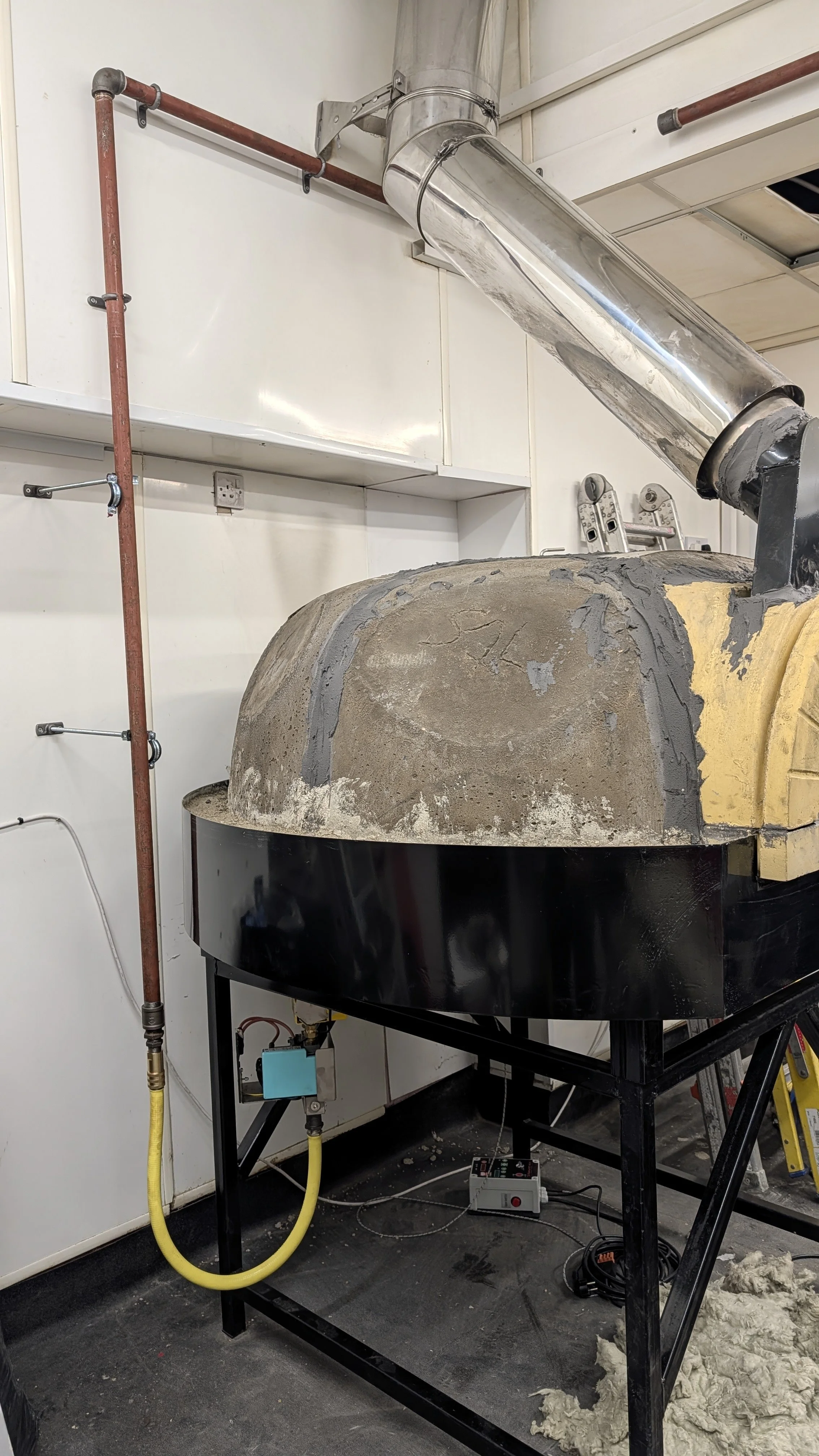
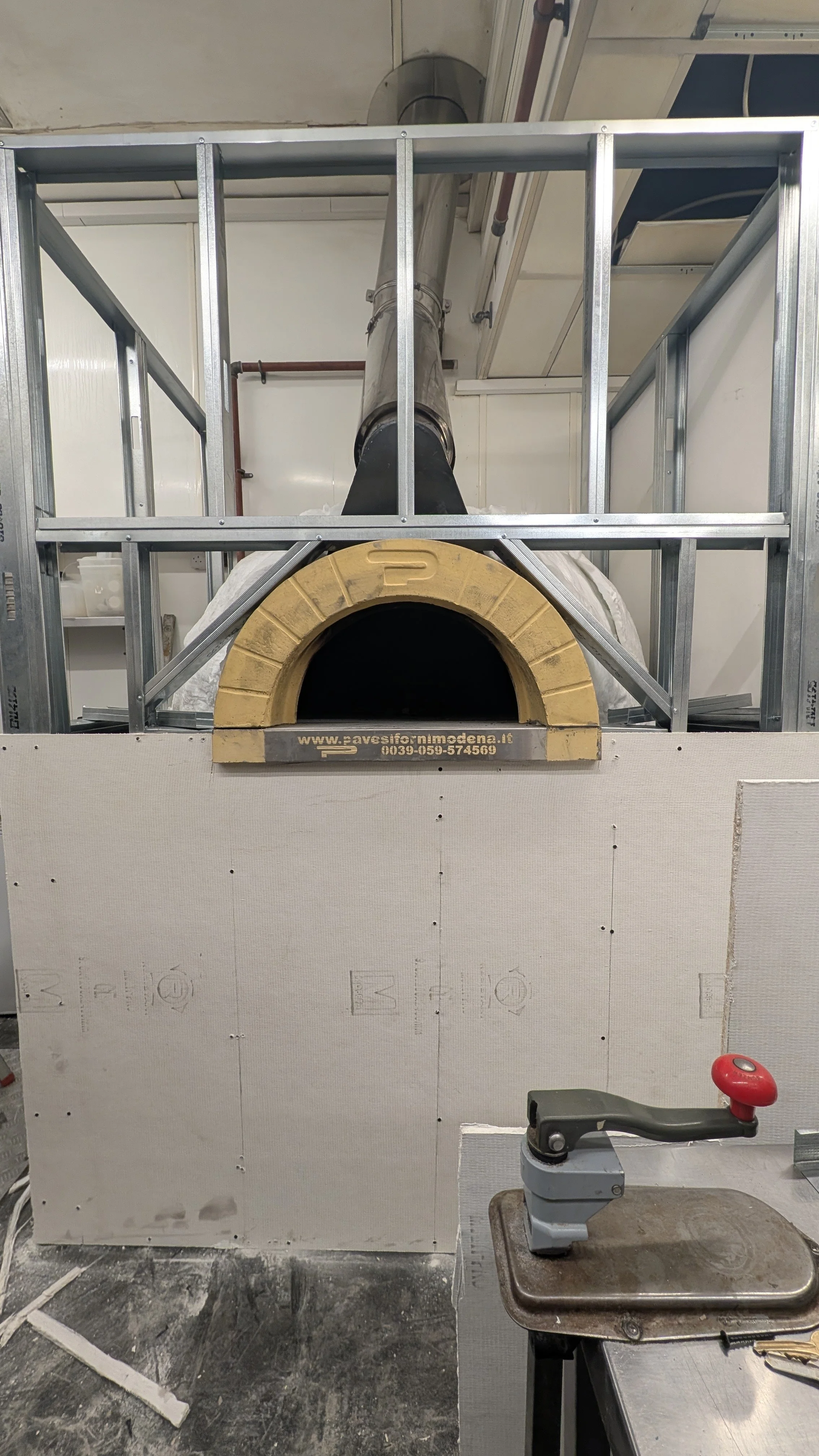
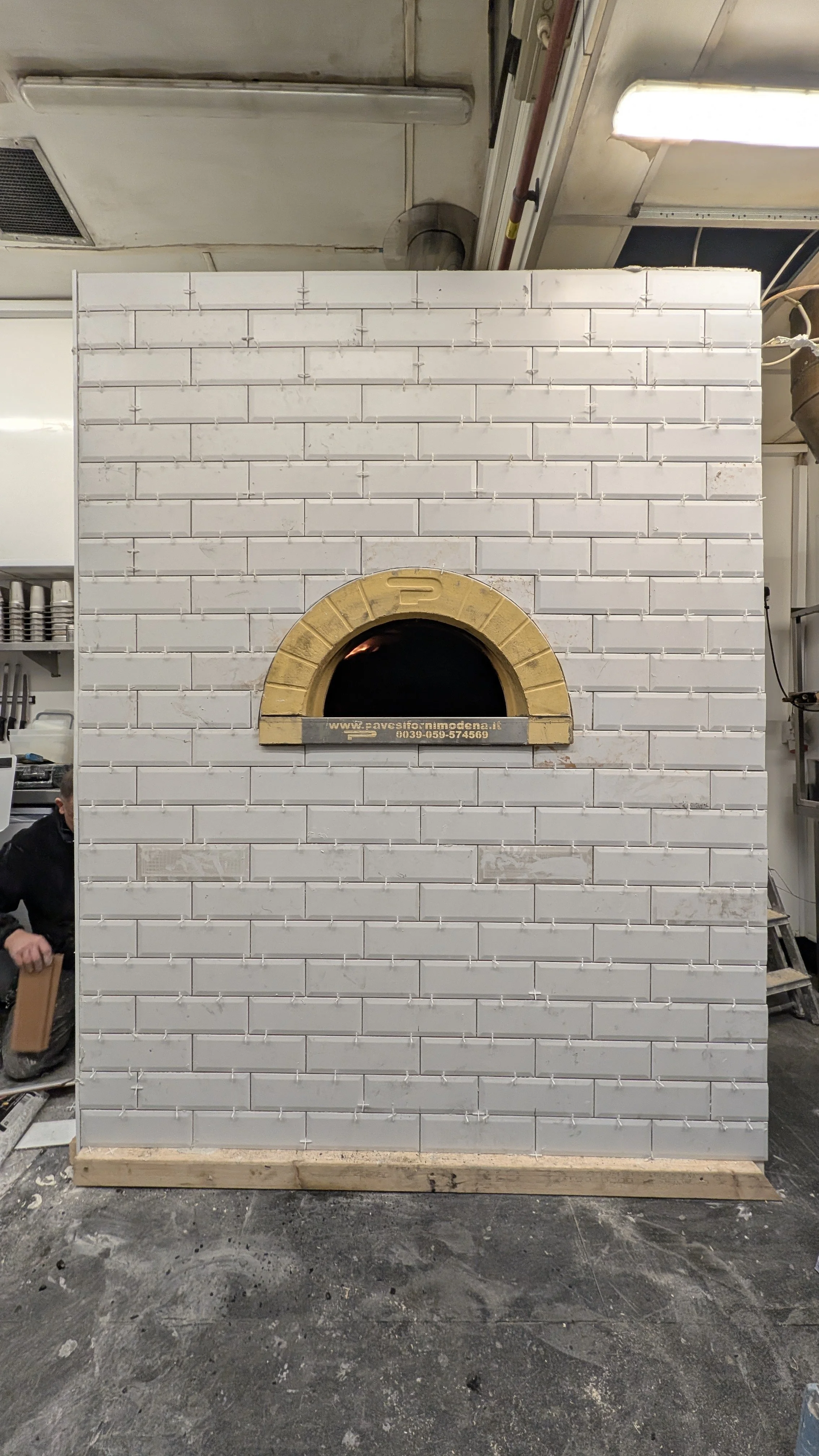
In January we closed our kitchen in The Circular Bar for a week and busted our asses to get the job done. It was the first month of the year, the Christmas season had ended, and although everybody was broke and broken, we could put it off no further. We had to get a new pizza oven.
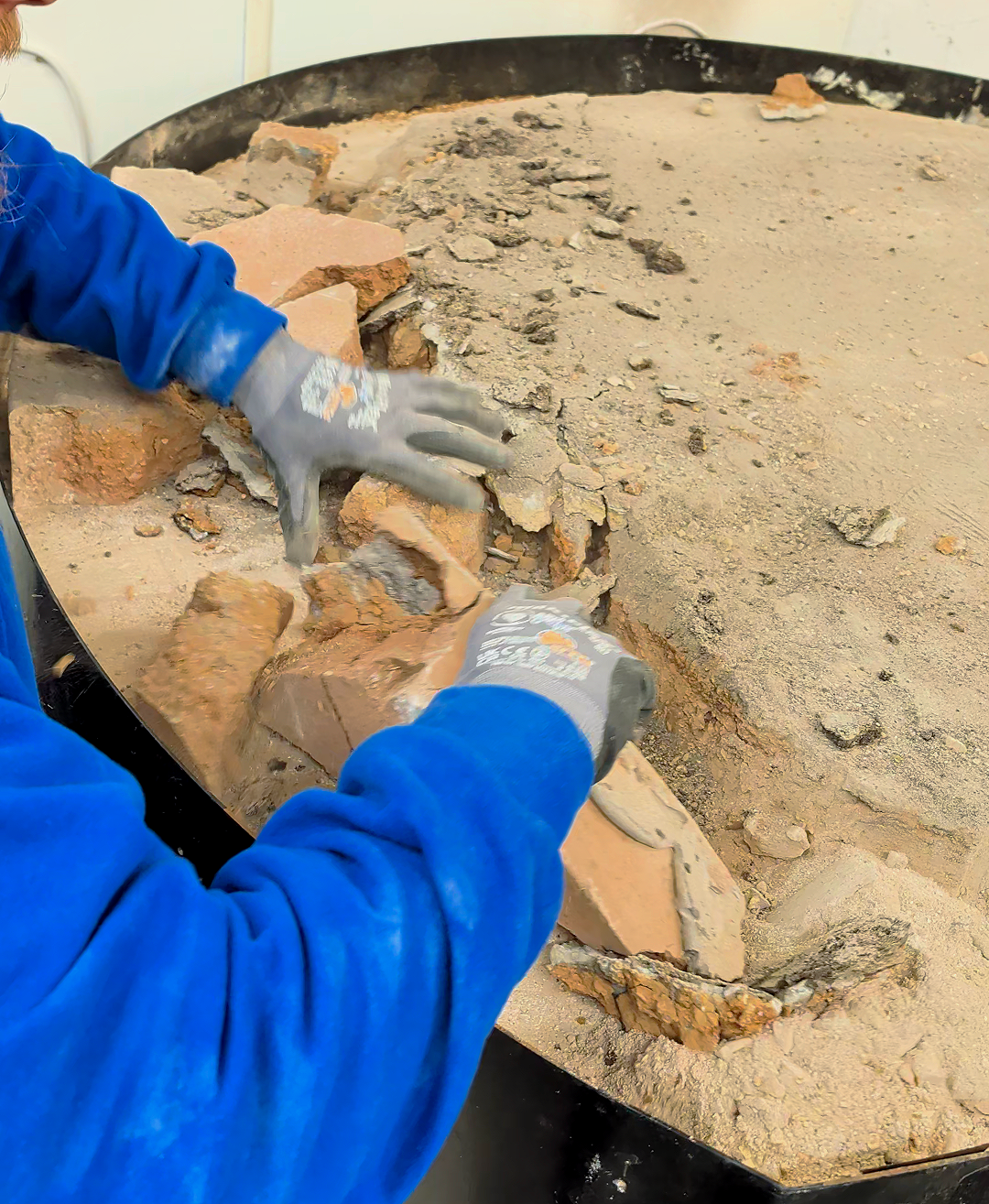
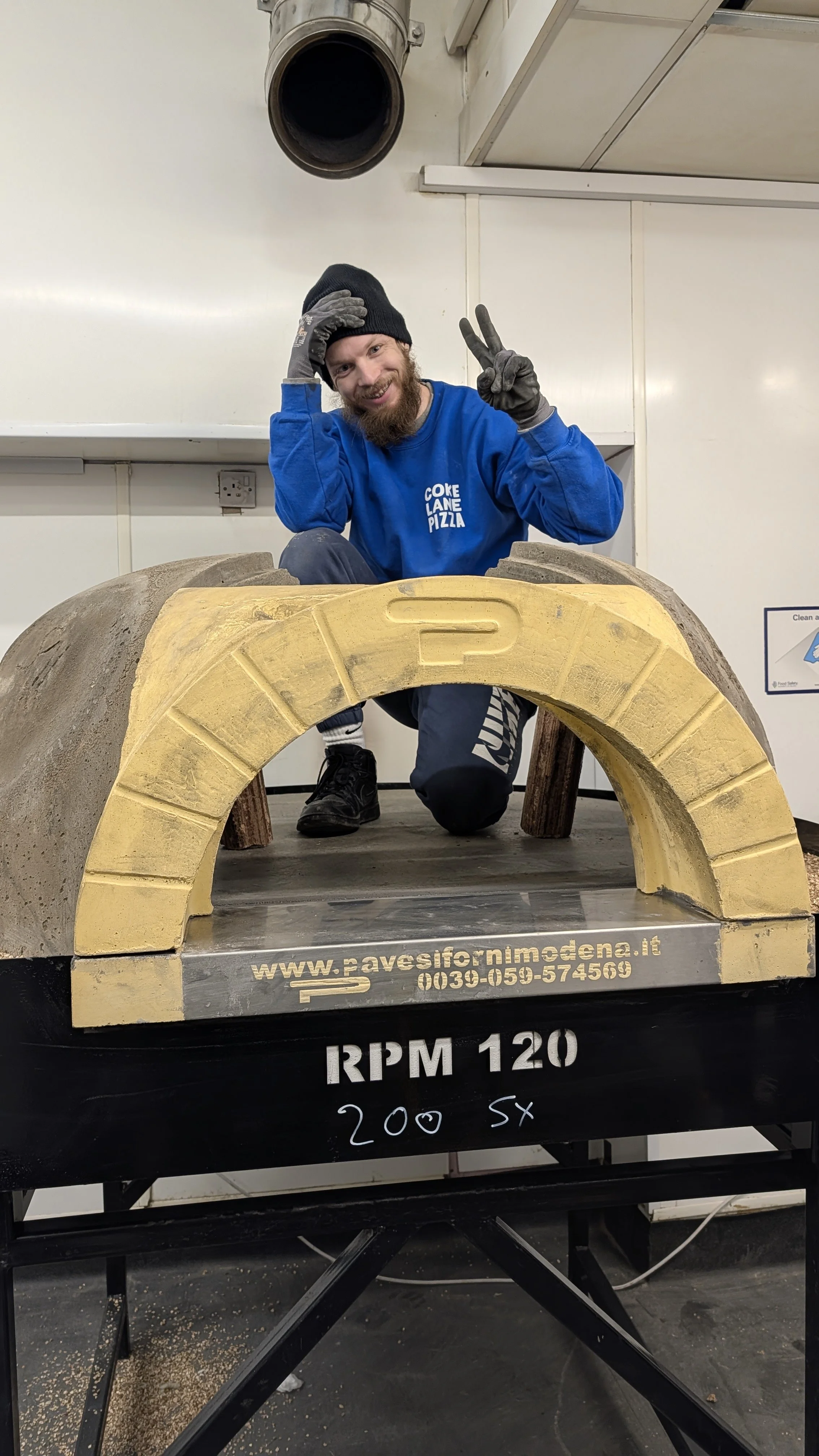
We had initially bought a Pavesi Forni 120RPM commercial pizza oven in 2019, built for solid wood fuel, and under warranty for 10 years. In 2023, after only 4 years of use, the performance was dipping and parts of the oven floor had been breaking away. The heat retention was nowhere near what it was to begin with, and we were using nearly twice as much fuel to keep the temp up. It seemed like poor quality refractory concrete was used to build the floor and with a constant fire in one place, it was slowly disintegrating. New ovens cost a huge amount of money, so what were we to do? Well, obviously we decided on the quickest, cheapest option that required the least amount of down time and closures… naturally. To be honest, it was a great decision.
In January 2024 we closed for several days to allow the oven to cool (it takes up to three days to get down to room temperature). Our boss man Dave climbed inside and laid a new section of refractory fire cement by hand to patch up the floor and buy us some more time. Fast forward to the end of 2025 and our patch up job was wearing thin again. We were delighted to get two more years out of it to be fair, but we needed a full rebuild.
After researching fuels we decided to switch to gas for a few reasons. Practicality, price and quality. Not requiring space for wood storage is great. We don’t need to order, receive and move large amounts of heavy fuel. The chefs backs are not broken each week. They now come in, hit a switch and the oven turns on. Bliss! Wood is also more expensive than gas, and most kiln dried wood can vary in quality, sometimes leaving you with light dusty logs that burn quickly instead of heavy hardwood logs that should burn for three times longer. Inconsistency costs.
Quality can also be a difficult thing to achieve consistently if you do not have the best of the best chefs, and finding pizza chefs is hard! Having a pizza oven where the gas burner controls the temperature means you do not need to train the chef on when to put a log in, when to hold off, when to put a half log in and what exact conditions are best for baking a pie. You just set the oven to your temp, it automatically adjusts itself to keep that temp, and your pizzas come out very consistent. Bliss! Finally, in a solid fuel oven, the footprint of the fire is quite large, generally taking up 30% of the oven floor. With a gas burner it takes up 5%, and this means you can fit more pizzas in, reducing wait times and processing a higher rate of orders at once. Invaluable!
All these little wins stack up and in the end, it just made sense for us to switch. The only downside is that we all miss that burning wood smell. It really does make a difference to the customer experience. It makes no difference to the flavour of the pizza, however, which is most people’s worry. It just smells nice to walk into a place and smell burning wood. It feels more authentic. This was the trade off we had to make.
All in all, we couldn’t be happier with our new oven and hopefully it lasts us a lot longer than the old one. We cooked approximately 250,000 pizzas in our old oven. Fingers crossed for 1,000,000 with this one!